
Is GoodFirms Worth It? An Honest 2026 Guide to Costs, Services, and Real ROI
January 8, 2026
10 Best Reputation Management Companies in 2026 (Reviewed and Ranked)
March 14, 2026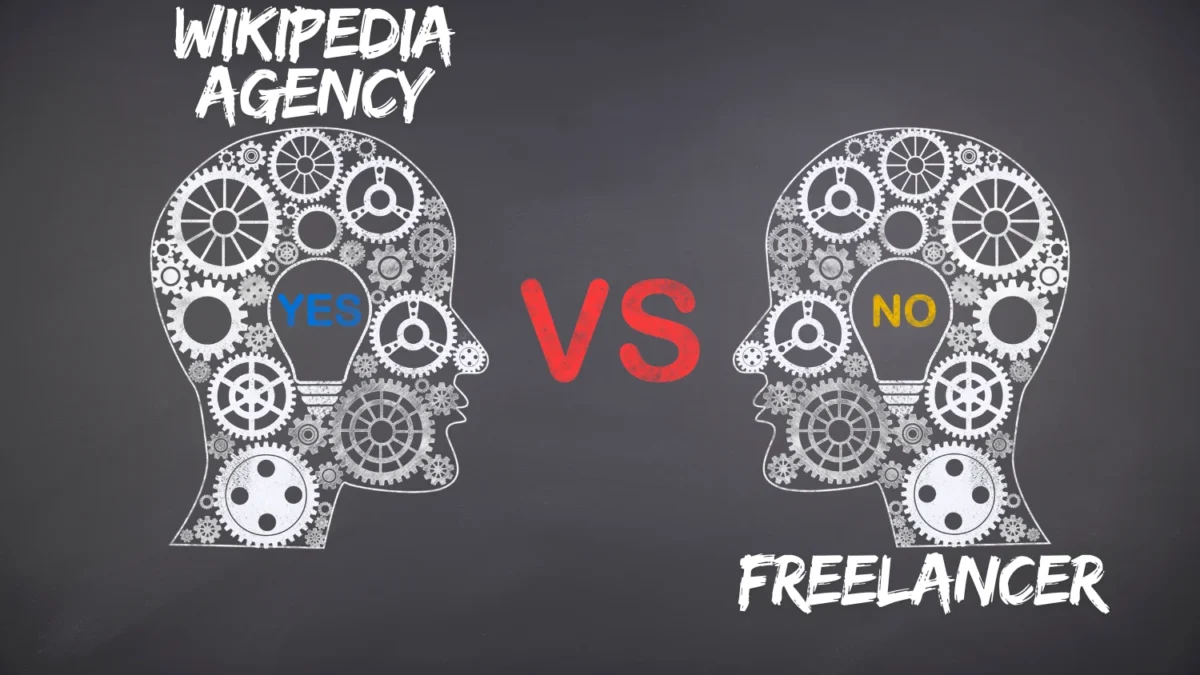
Here’s what most people don’t know when they start looking for a Wikipedia page: the act of shopping itself can get your page reported before anyone writes a single word.
Wikipedia’s volunteer enforcement community actively monitors freelancer platforms. They watch Upwork. They watch Fiverr. When you post a Wikipedia project or reach out to freelancers on these platforms, you create a visible record. Some of the people watching are looking for exactly that, trying to flag paid editing arrangements.
If you want the short answer: a reputable Wikipedia page creation service handles your project through private client engagements. Nobody outside the agency knows your name, your subject, or the fact that you’re pursuing a Wikipedia page. That’s not just a convenience. It’s the whole difference.
How Wikipedia Editors Monitor Freelancer Platforms
Wikipedia takes its paid editing policy seriously. So does a vocal part of its volunteer editor community.
These editors patrol platforms like Upwork and Fiverr on a regular basis. They search for Wikipedia article commissions, read public project postings, and track conversations between clients and freelancers. Their goal is to identify undisclosed paid editing arrangements and report them to Wikipedia’s administrative community.
When you post a project publicly, or when you reach out to several freelancers and they post proposals responding to your brief, that activity is potentially visible to people who want to use it against you. Your Wikipedia intentions are now part of a public record.
Most people assume the risk comes from hiring the wrong person. It actually starts earlier, before you’ve hired anyone at all.
Every Freelancer You Contact Is a Potential Problem
When you shop for freelancers, you contact several people. You evaluate their pitches, check their history, and pick one. The problem is the ones you didn’t pick.
Each freelancer you passed on now knows your name or your subject’s name, that you’re pursuing a Wikipedia page, roughly what you’re willing to pay, and the fact that you chose someone else.
A frustrated freelancer who lost the job has everything they need to file a paid editing report with Wikipedia. They don’t have to prove anything. Wikipedia’s response to a credible complaint is to flag the article for scrutiny, which can mean dispute tags, deletion nomination, or a Talk page discussion that follows the article for years.
This isn’t rare. People who work in Wikipedia reputation management treat revenge flagging as a known, recurring risk. It happens often enough that the smart move is to never expose your project details on public platforms in the first place.
What a Revenge Flag Does to Your Article
A paid editing complaint doesn’t need proof to do real damage.
When someone files a report alleging undisclosed paid editing on a Wikipedia article, volunteer editors investigate. They may add a dispute tag. They may open a deletion review. The person who filed the complaint may show up in that review, arguing against your article’s survival. A well-written, properly sourced article can end up deleted or perpetually tagged if it attracts an active complaint early in its life.
The timing is the problem. A new article facing a paid editing complaint within days or weeks of publication is at a significant disadvantage. Wikipedia editors are skeptical of new articles to begin with. An active complaint from a named Wikipedia user makes that skepticism much harder to overcome.
None of this happens if your project was never visible on a public platform.
What an Agency Engagement Actually Looks Like
A reputable Wikipedia page creation service operates through private client intake.
You contact the agency directly. The project details stay internal. No public job postings. No competing freelancers responding to your brief. Nobody outside the agency has any idea you’re pursuing a Wikipedia page, which means nobody has the ammunition to file a complaint.
The private engagement model removes the most common attack vector for paid editing complaints before the article is even written.
The Cost Question
Freelancers are cheaper. That’s true, and it’s usually the main argument for going that route.
A Wikipedia freelancer on Upwork or Fiverr typically charges $200 to $800 for a basic biographical article. Experienced freelancers with strong edit histories charge $500 to $2,000.
Agency pricing for a standard Wikipedia page usually starts around $2,000 to $3,000.
The gap looks significant until you think through what actually happens in practice.
Freelancers typically charge for the draft only. A first rejection means revision fees or, frequently, the freelancer stops responding. If the article gets declined twice, you’ve paid twice and you’re still not published. And if one of the freelancers you passed on has already filed a complaint, revisions may not solve your problem anyway.
Most reputable agencies include revision rounds and resubmission in their fee. Many offer a work-until-published commitment. A freelancer who charges $500 but requires two rounds of paid revisions after two rejections can cost you $1,500 and four months. An agency that charges $2,500 and publishes on the first or second submission is the better value and the safer path.
Always ask any provider upfront: What happens if the article gets declined or deleted? Are revisions or refund included?
Quality: How to Tell Real Experience from Claimed Experience
Both freelancers and agencies can overstate their Wikipedia experience. Here’s how to check.
Ask for their Wikipedia username. Any legitimate Wikipedia editor has a public edit history you can look up directly on Wikipedia. Search the username. You should see hundreds or thousands of edits across many different articles, not just a handful of new article creations for paying clients. If they won’t give you a username, stop there.
Ask for published examples. Any experienced Wikipedia editor can point to articles they’ve written or significantly improved. Verify the articles exist and are still live. Check whether they look like quality Wikipedia content or like borderline promotional pages that haven’t been challenged yet.
Ask about their Articles for Creation track record. Experienced editors know roughly what percentage of their submissions go through on the first review versus requiring multiple rounds. They can talk about what kinds of subjects they’ve worked with and what sourcing approaches they use.
Ask about paid editing disclosure. Wikipedia requires paid editors to disclose on the article’s Talk page using a specific template. Any provider who doesn’t know about this requirement, or who suggests avoiding the disclosure, is someone to walk away from immediately.
Speed: Who Gets You Published Faster
Wikipedia’s review queue is outside anyone’s control. Once you submit, the timeline depends on how many volunteer reviewers are active. That can mean a few weeks or a few months.
What you do control is how quickly the article gets written and submitted in the first place, and how many times it gets rejected before it passes.
Experienced agencies know what Wikipedia reviewers expect before they start writing. They understand notability standards, sourcing requirements, and tone guidelines well enough to structure articles that move through review with fewer rounds.
Less experienced writers, including most freelancers working through Fiverr, waste weeks on drafts that get rejected for fundamental problems: wrong tone, missing notability, poor sourcing. These aren’t small revisions. They’re full rewrites.
A well-constructed article from a team that genuinely understands Wikipedia’s standards reaches publication faster than one that doesn’t, even accounting for the queue.
After Your Page Goes Live
Getting your article published is not the end of the process.
Wikipedia pages can be edited by anyone at any time. That includes editors who find your content too promotional, volunteer reviewers who decide your sourcing is weak, or anyone who wants to add dispute tags or nominate the article for deletion review.
Most freelancers don’t offer post-publication monitoring. Their work ends when the article goes live.
Good agencies include ongoing monitoring in their service, or offer it separately. They watch for edits that compromise your article, respond to Talk page challenges on your behalf, and handle notability disputes when they come up. For business owners and executives whose Wikipedia page is a permanent part of their online presence, leaving it unmonitored after publication is a real risk. If you’re thinking about long-term protection, a professional Wikipedia page management service is built for exactly this situation.
Red Flags When Evaluating Any Provider
These apply to both freelancers and agencies.
They guarantee publication. Nobody can guarantee a Wikipedia article gets published unless the notability is met. Any guarantee is either dishonest or shows they don’t understand the process.
Their primary discovery channel is a public freelancer platform. This is the exact risk this article is about. A Wikipedia writer whose main channel is Upwork or Fiverr is not a private engagement. Your project becomes visible to anyone on that platform, including Wikipedia’s enforcement community.
They have no examples of live, published Wikipedia articles. Ask for three. Verify they exist.
They quote a specific review timeline. The only part of the timeline anyone controls is how quickly they write and submit the draft. The review process is unpredictable.
Three Questions to Settle the Decision
1. Am I comfortable with my Wikipedia project being visible on public freelancer platforms?
For most business owners and executives, the answer is no. That closes off the freelancer route before you even evaluate quality or pricing.
2. What happens if a complaint gets filed?
A paid editing complaint attached to your article can follow it for years. It can lead to deletion, ongoing disputes, and a Talk page that signals to anyone who visits that the article is contested. The cost of that outcome is far higher than the price difference between a freelancer and an agency.
3. Do I need the page maintained after it’s published?
If your Wikipedia page is part of a broader reputation strategy rather than a one-time project, you need ongoing monitoring. Most freelancers don’t offer it. Agencies built for this work do.
For most business owners and executives, a Wikipedia page creation service with a private intake process, verifiable editorial history, and post-publication support is the clear choice. The price difference is real. The risk difference is larger.
Also read: The Risks of Creating a Wikipedia Page Yourself
FAQ
Q: Can Wikipedia editors really monitor freelancer platforms?
Yes. A vocal part of Wikipedia’s volunteer enforcement community actively watches Upwork, Fiverr, and similar platforms to identify undisclosed paid editing arrangements. Publicly discussing your Wikipedia project on these platforms puts it on their radar, sometimes before any article is even written.
Q: What is revenge flagging and does it actually happen?
Revenge flagging is when a freelancer you passed over, whose work you rejected, or who you left a negative review for files a paid editing complaint with Wikipedia against your article. It happens regularly enough that reputation management professionals treat it as a standard operational risk. The complaint doesn’t need to be proven to trigger scrutiny.
Q: How much does it cost to hire a Wikipedia page creation service?
Agencies typically start at $2,000 to $3,000 for a standard Wikipedia page. Freelancers charge $200 to $2,000 depending on experience. The price gap narrows when you factor in the cost of multiple revision rounds and resubmissions, which many freelancers charge for separately.
Q: What happens to my Wikipedia page after it’s published?
Anyone can edit it at any time. Without monitoring, edits that add dispute tags, remove content, or introduce inaccuracies can go unnoticed for a long time. Many agencies offer ongoing monitoring and management to protect your page after publication. For executives and business owners, this protection is worth budgeting for.